10 Important Logo Design Tips to Avoid Mistakes

A logo is more than just a graphic placed on a website, business card, or social media profile. It is one of the most important elements of a brand's visual identity. A well-designed logo can make a business look professional, trustworthy, and memorable, while a poorly designed logo can create the opposite impression.
Whether you are launching a new business, refreshing an existing brand, or looking for professional logo design services, getting the fundamentals right is essential.
Many businesses make avoidable mistakes when creating a logo. They focus too much on trends, add too many elements, or choose a design that looks good on one screen but fails everywhere else.
Here are 10 important logo design tips to help you avoid common mistakes and create a logo that works for your brand for years to come.
1. Keep Your Logo Simple
One of the most important principles of effective logo design is simplicity.
A logo should be easy to recognise and understand at a glance. Adding too many colours, fonts, shapes, icons, or design elements can make the logo look confusing and difficult to remember.
Think about some of the world's most recognisable brands. Their logos are generally simple, clean, and easy to identify.
A simple logo is also more versatile. It can be used on a website, packaging, business cards, social media, signage, advertisements, and promotional materials without losing its impact.
When working with a logo design company, always prioritise clarity over unnecessary decoration.
2. Choose Fonts Carefully
Typography can completely change the personality of a logo.
A modern technology company may need a clean and contemporary typeface, while a luxury brand may benefit from a more elegant and sophisticated font. A children's brand could use something more playful.
One common mistake is using too many fonts in a single logo. In most cases, one carefully selected font or a combination of two complementary fonts is enough.
Your typography should also remain readable when the logo is reduced to a small size.
Professional logo design services consider typography as part of the overall brand identity rather than simply adding text to an icon.
3. Don't Follow Every Design Trend
Design trends can be useful for inspiration, but they should not control your entire logo design.
A logo based heavily on a temporary trend may look modern today but outdated a few years later. Businesses need identities that can evolve with them.
Instead of asking, "What logo style is popular right now?", ask:
"Will this logo still represent my business five or ten years from now?"
A timeless logo focuses on your brand, audience, personality, and values.
A professional logo design company should understand current design trends while knowing when not to follow them.
4. Use Colours With a Purpose
Colours have an important role in branding. Different colours can create different emotions and associations.
For example, blue is often associated with trust and professionalism, while green can communicate growth, nature, or sustainability. Black can create a premium or sophisticated appearance, while brighter colours can create energy and excitement.
However, using too many colours can make a logo look unprofessional.
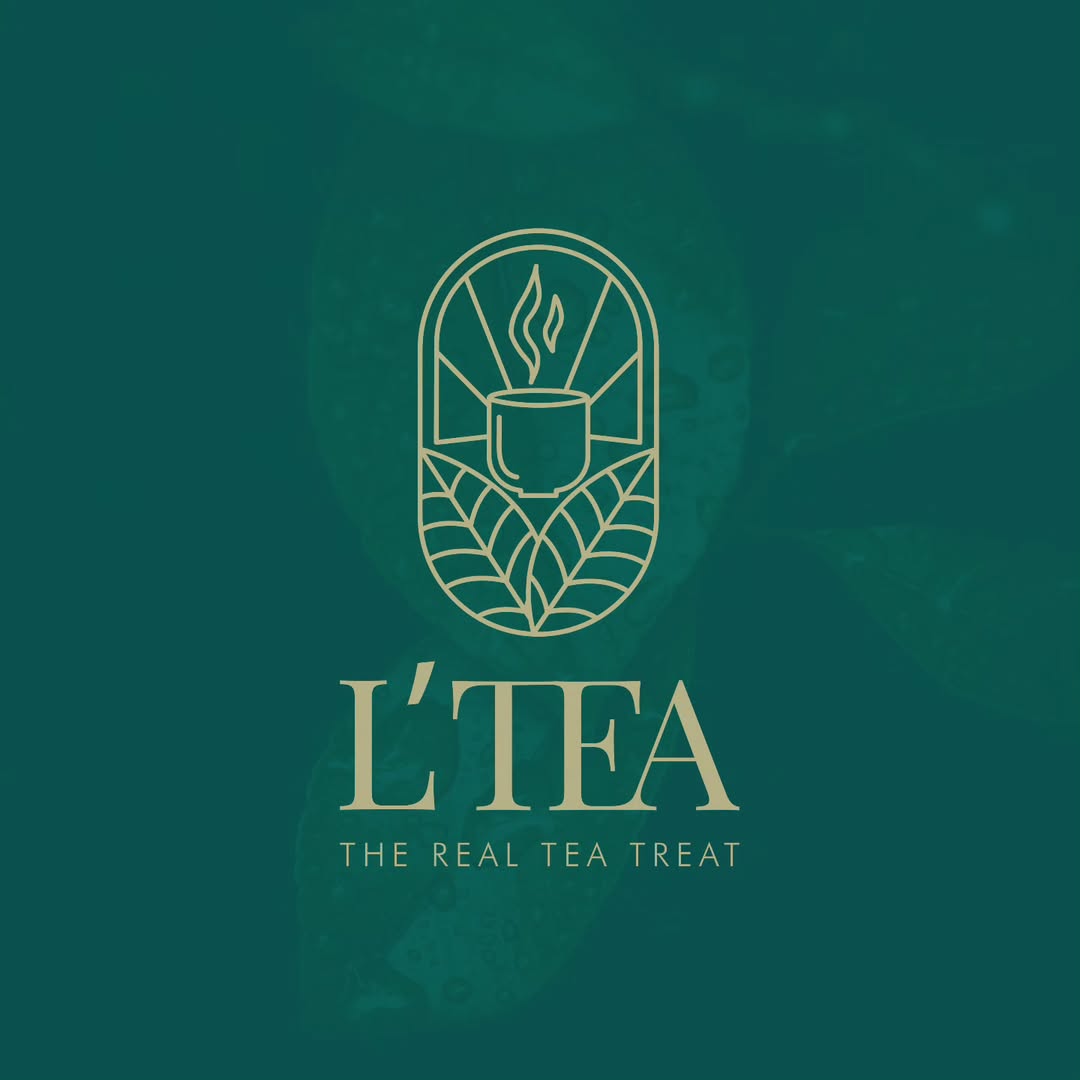
Choose a colour palette that reflects your brand and make sure the logo also works effectively in black and white. This is particularly important for printing, documents, stamps, embroidery, and other applications.
Good logo design services consider both colour psychology and practical usage.
5. Make Sure the Logo Works at Every Size
A logo may appear on a large billboard one day and a tiny mobile screen the next.
This means your logo needs to remain recognisable at different sizes.
A common logo design mistake is creating an intricate design that looks impressive when displayed large but becomes impossible to understand when reduced.
Before approving a logo, test it on:
Website headers
Mobile screens
Social media profiles
Business cards
Letterheads
Packaging
Signage
Promotional materials
A professional logo should maintain its clarity and identity across different platforms.
6. Design for Your Target Audience
Your logo should represent your business, but it should also connect with the people you want to reach.
For example, a corporate financial company will probably require a very different visual identity from a creative agency, restaurant, children's brand, or fitness business.
Before designing the logo, consider your target audience, industry, competitors, brand personality, and positioning.
The goal isn't simply to create a logo that looks attractive. The goal is to create a logo that communicates the right message to the right audience.
This is one reason businesses often choose a best logo design company rather than relying on a generic template.
7. Avoid Copying Competitors
Researching competitors is important, but copying their visual style is a mistake.
If several businesses in the same industry use similar colours, icons, fonts, and layouts, creating another similar logo will make it harder for your brand to stand out.
Your logo should have its own personality and visual language.
A good designer studies the competitive landscape to identify opportunities for differentiation rather than simply reproducing what is already popular.
This helps create a more distinctive and memorable brand identity.
8. Don't Use Low-Quality or Generic Graphics
Stock icons and generic graphics can make a logo look ordinary.
Your logo represents your business, so it should feel intentional and distinctive. Using an overused symbol or downloading a ready-made graphic may save time, but it can prevent your brand from developing a unique identity.
Professional logo development involves creating an identity specifically for your business.
When choosing logo design services, look for a team that focuses on original concepts rather than simply modifying templates.
9. Make Your Logo Versatile
A successful logo isn't designed for just one location.
Your business may use the logo on your website today, but tomorrow it could appear on social media, merchandise, packaging, advertisements, invoices, email signatures, brochures, or physical signage.
For this reason, you should receive a logo that works in different formats and applications.
Ideally, your final logo should be supplied in appropriate file formats, including vector formats for scalable use, as well as suitable files for digital applications.
A versatile logo gives your business more flexibility as it grows.
10. Work With Professional Logo Designers
Perhaps the biggest mistake is treating logo design as something that only needs to "look nice."
A professional logo should communicate your brand, work across multiple platforms, remain recognisable at different sizes, and support your overall marketing strategy.
Working with an experienced logo design company can help you avoid common design problems and develop a stronger visual identity from the beginning.
For businesses looking for professional branding support, Blossom Web Studio provides creative logo design and branding solutions designed around each business's identity and goals.
The right logo design company Blossom Web Studio approach focuses on creating a professional and memorable identity rather than simply producing a decorative graphic. From concept development and typography to colour selection and final formats, every element should work together.
Why Professional Logo Design Matters?
Your logo is often one of the first things potential customers notice about your business. A strong logo can help establish credibility and create a consistent appearance across your digital and offline presence.
However, logo design is only one part of a successful brand identity.
Your logo should work alongside your website, colours, typography, marketing materials, social media graphics, packaging, and other brand assets.
This is why businesses often look for great logo design services that can understand the bigger picture rather than treating the logo as an isolated graphic.
With professional guidance from Blossom Web Studio, businesses can develop a logo that is creative, practical, memorable, and aligned with their overall branding strategy.
Final Thoughts
A great logo doesn't need to be complicated. It needs to be meaningful, recognisable, versatile, and appropriate for the business it represents.
By keeping your design simple, selecting the right typography and colours, avoiding short-lived trends, understanding your audience, and creating a distinctive identity, you can avoid many of the most common logo design mistakes.
Whether you are starting a new business or updating an existing brand, investing in professional logo design services can give your business a stronger and more consistent visual presence.
If you're looking for a best logo design company to create a professional identity for your business, Blossom Web Studio can help turn your ideas into a distinctive brand identity designed to make a lasting impression.