
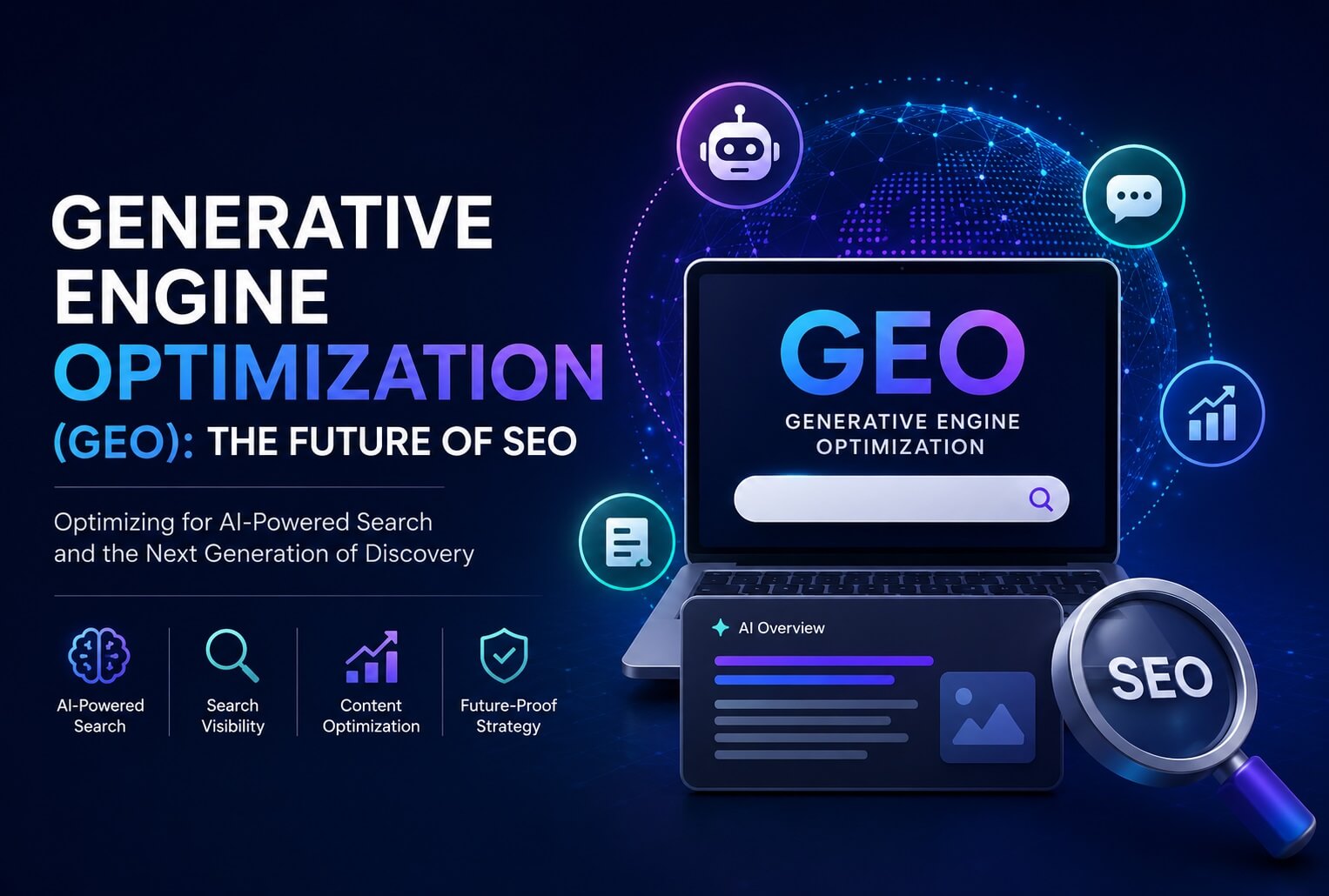
Generative Engine Optimization (GEO): The Future of SEO
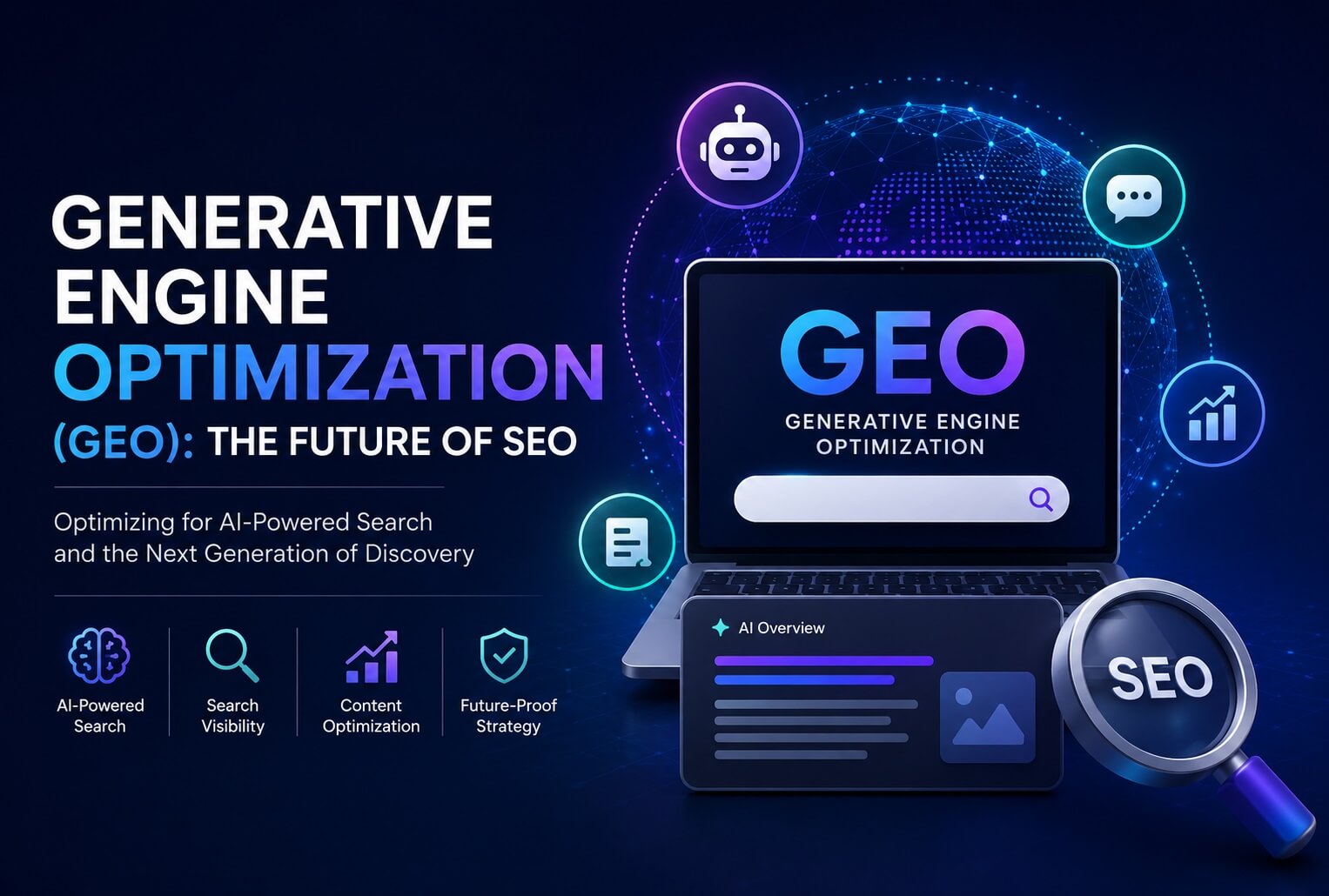
The way people search for information online is changing rapidly. Traditional search engines are no longer the only source of answers, as users increasingly rely on AI-powered tools that can provide direct responses, summaries, recommendations, and conversational insights. This shift has given rise to Generative Engine Optimization (GEO), a new approach to digital visibility that focuses on helping businesses appear within AI-generated responses rather than solely competing for traditional search engine rankings.
As the influence of AI Search continues to grow, businesses must adapt their online strategies to remain visible in an evolving digital landscape. While Search Engine Optimization (SEO) remains important, AI Search Optimization is becoming an essential component of modern Digital Marketing strategies. Understanding how GEO works and how it differs from traditional SEO can help businesses prepare for the future of online discovery.
What Is Generative Engine Optimization?
One of the most common questions businesses are asking today is: what is Generative Engine Optimization?
Generative Engine Optimization refers to the process of optimizing content, websites, and digital assets so they can be easily understood, referenced, and surfaced by AI-powered search systems. Unlike traditional search engines that display a list of links, generative search platforms often provide direct answers by analyzing multiple sources and presenting summarized information to users.
The goal of GEO is to improve Search Visibility within these AI-generated responses, ensuring that brands, businesses, and websites remain discoverable as user search behavior evolves.
As part of the ongoing AI search revolution, GEO is becoming an increasingly important extension of traditional SEO practices.
Why AI Search Is Changing the SEO Industry
The rise of AI-Powered Search represents one of the most significant developments in online marketing in recent years.
Traditionally, users entered keywords into search engines and selected links from a results page. Today, AI-powered systems can provide detailed answers instantly, reducing the need for users to browse multiple websites.
This shift is influencing:
Search behavior
Content creation strategies
Website optimization practices
User engagement patterns
Digital marketing priorities
As businesses respond to changing Google AI search trends, many are investing in GEO strategies to maintain visibility across both traditional and AI-driven search experiences.
GEO vs SEO Differences Explained
A key topic in the industry is GEO vs SEO differences explained.
Although both approaches aim to increase online visibility, they focus on different search environments.
Traditional SEO
Traditional Search Engine Optimization focuses on:
Keyword targeting
Backlink acquisition
Technical website performance
Search engine rankings
Organic traffic generation
Generative Engine Optimization
Generative Engine Optimization focuses on:
Context-rich content
Topic authority
Structured information
AI-readable content
Brand mentions and credibility
Content quality and trustworthiness
Rather than optimizing solely for rankings, GEO aims to increase the likelihood that AI systems will reference your content when generating responses.
How to Optimize Content for AI Search
Businesses seeking to improve visibility within AI-generated results often ask how to optimize content for AI search.
Several key principles can improve content performance in AI-powered environments.
Focus on Topic Depth
AI systems tend to favor comprehensive content that thoroughly addresses a subject. Creating detailed, well-organized articles can improve the chances of being referenced.
Answer User Questions Clearly
Content should address common questions directly and provide useful information in a structured format.
Use Logical Content Structure
Clear headings, subheadings, FAQs, and organized sections help AI systems understand the context of your content.
Build Topical Authority
Publishing consistent, high-quality content within a specific niche can strengthen a website's authority and improve AI recognition.
These techniques support effective content optimization for AI-powered search.
AI Search Optimization Strategies for Businesses
Successful AI search optimization strategies for businesses involve more than simply adding keywords to a page.
Organizations should focus on creating content that demonstrates expertise, relevance, and trustworthiness.
Effective strategies include:
Publishing original research and insights
Creating detailed educational resources
Maintaining accurate business information
Developing topic clusters
Improving website user experience
Enhancing content credibility
As AI systems become more sophisticated, content quality will continue to play a critical role in determining visibility.
How to Rank in AI-Generated Search Results
Many marketers are now asking how to rank in AI-generated search results.
Unlike traditional rankings, AI-generated visibility depends on several factors, including:
Content Relevance
The information must directly address user intent and provide meaningful answers.
Content Accuracy
Reliable and factual information increases trust and improves the likelihood of being referenced.
Topical Authority
Websites that consistently publish valuable content within a specific subject area often become trusted sources.
Content Freshness
Regular updates help ensure information remains current and relevant.
Understanding these principles can help businesses adapt their content strategies for evolving search environments.
Best Practices for Generative Engine Optimization
The growing importance of GEO has led many organizations to explore the best practices for Generative Engine Optimization.
Some of the most effective approaches include:
Create Comprehensive Content
Long-form content that fully addresses a topic often performs well within AI-powered systems.
Use Natural Language
Content should be written in a conversational and informative style that mirrors how users ask questions.
Strengthen Content Authority
Supporting content with expertise and accurate information improves trustworthiness.
Improve Technical Website Performance
Fast-loading, mobile-friendly websites provide a better user experience and support overall search visibility.
Build Entity Recognition
Consistently referencing your brand, services, and expertise helps AI systems understand your business.
These practices support both traditional SEO and GEO efforts.
Optimizing Websites for ChatGPT and AI Search Engines
The conversation around optimizing websites for ChatGPT and AI search engines continues to grow.
Businesses should focus on creating content that is:
Easy to understand
Factually accurate
Well-structured
User-focused
Contextually rich
AI systems prioritize content that demonstrates expertise while providing meaningful value to users.
As conversational search experiences become more common, websites that embrace these principles may gain a competitive advantage.
How Businesses Can Improve AI Search Visibility
One of the most important questions facing organizations today is how businesses can improve AI search visibility.
The answer lies in developing a long-term content strategy focused on authority, trust, and relevance.
Businesses should:
Create helpful educational content
Publish detailed guides
Address customer questions
Build strong topical expertise
Maintain consistent branding
Update content regularly
These efforts can improve visibility across both traditional search platforms and emerging AI-powered search environments.
The Future of SEO and AI Search
The future of SEO and AI search is likely to involve a hybrid approach that combines traditional optimization methods with GEO-focused strategies.
Search engines will continue evolving, and AI-generated responses are expected to play a larger role in how users discover information online.
This shift is influencing:
Content marketing
Search marketing
User engagement
Brand visibility
Customer acquisition
As businesses adapt to the future of search marketing, GEO is becoming an increasingly important component of digital success.
How AI Is Changing SEO
The discussion around how AI is changing SEO continues to dominate the digital marketing industry.
AI is transforming:
Search result presentation
User behavior
Content discovery
Information consumption
Website optimization strategies
Rather than replacing traditional SEO, GEO represents the next stage in search evolution, often referred to as next generation SEO.
Businesses that understand these changes early can position themselves more effectively for long-term online growth.
GEO Marketing Strategy for the Future
A successful GEO marketing strategy should focus on creating valuable, trustworthy, and authoritative content that serves both human readers and AI-powered systems.
Organizations that invest in quality content, strong digital experiences, and topical expertise are more likely to maintain visibility as search technologies continue to evolve.
As part of the broader future of digital marketing, GEO is expected to become a standard component of online marketing strategies across industries.
Conclusion
Generative Engine Optimization (GEO) is reshaping how businesses approach online visibility in the era of AI Search. While traditional SEO remains an important foundation, the growth of AI-Powered Search is creating new opportunities and challenges for brands seeking to improve their digital presence.
Businesses that focus on high-quality content, strong topical authority, and effective AI Search Optimization strategies will be better positioned to succeed in the evolving search landscape. By understanding the principles behind GEO and adapting to changing user behavior, organizations can strengthen their Search Visibility and remain competitive in the years ahead.
Ready to Future-Proof Your SEO Strategy?
As AI-powered search engines continue to transform how users discover information, businesses need more than traditional SEO to stay visible. At Blossom Web Studio, we help brands optimize for both search engines and AI-driven platforms through advanced SEO, GEO, content strategy, and digital marketing solutions.