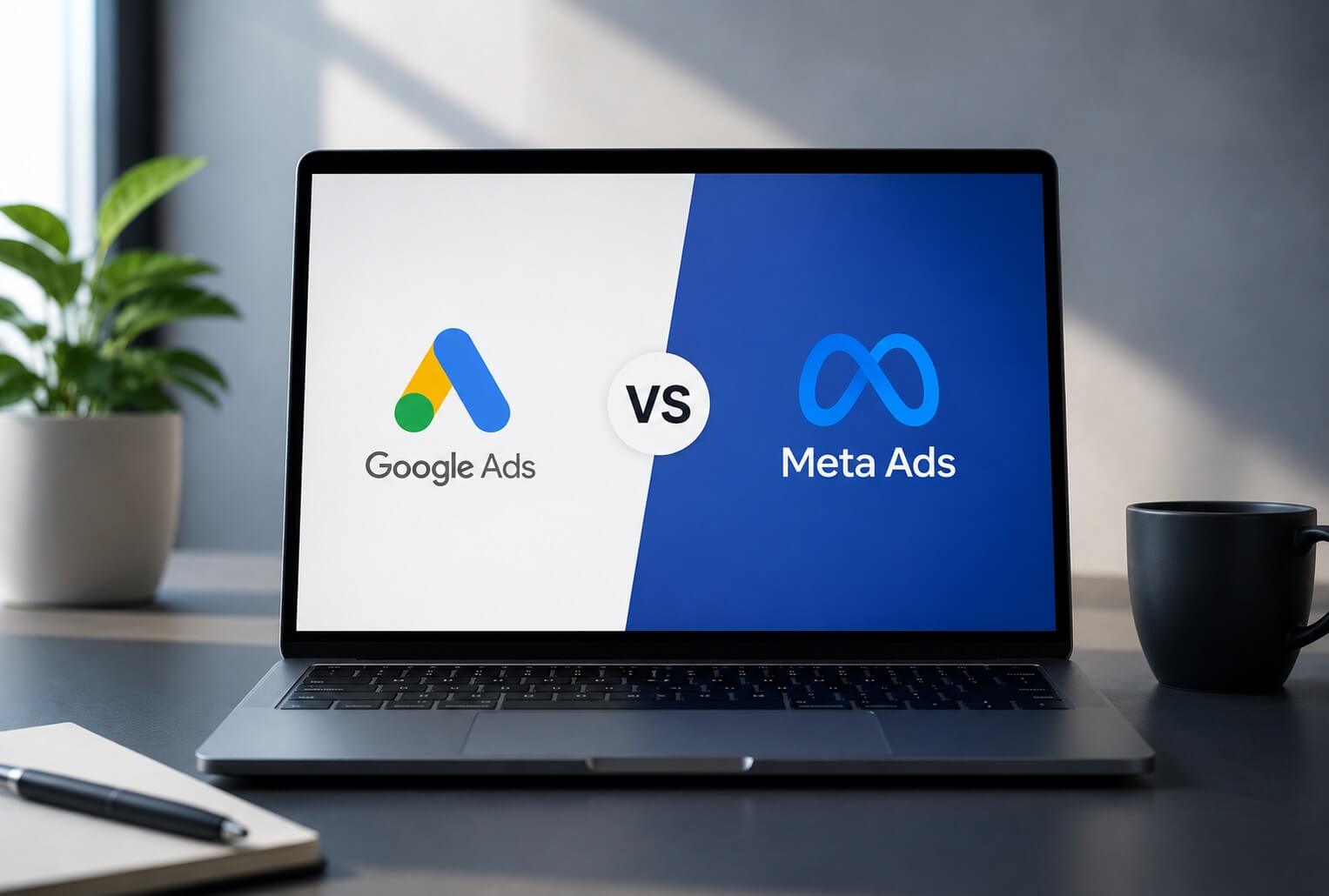
Google Ads vs. Meta Ads: How to Choose the Right Advertising Platform for Your Business in 2026
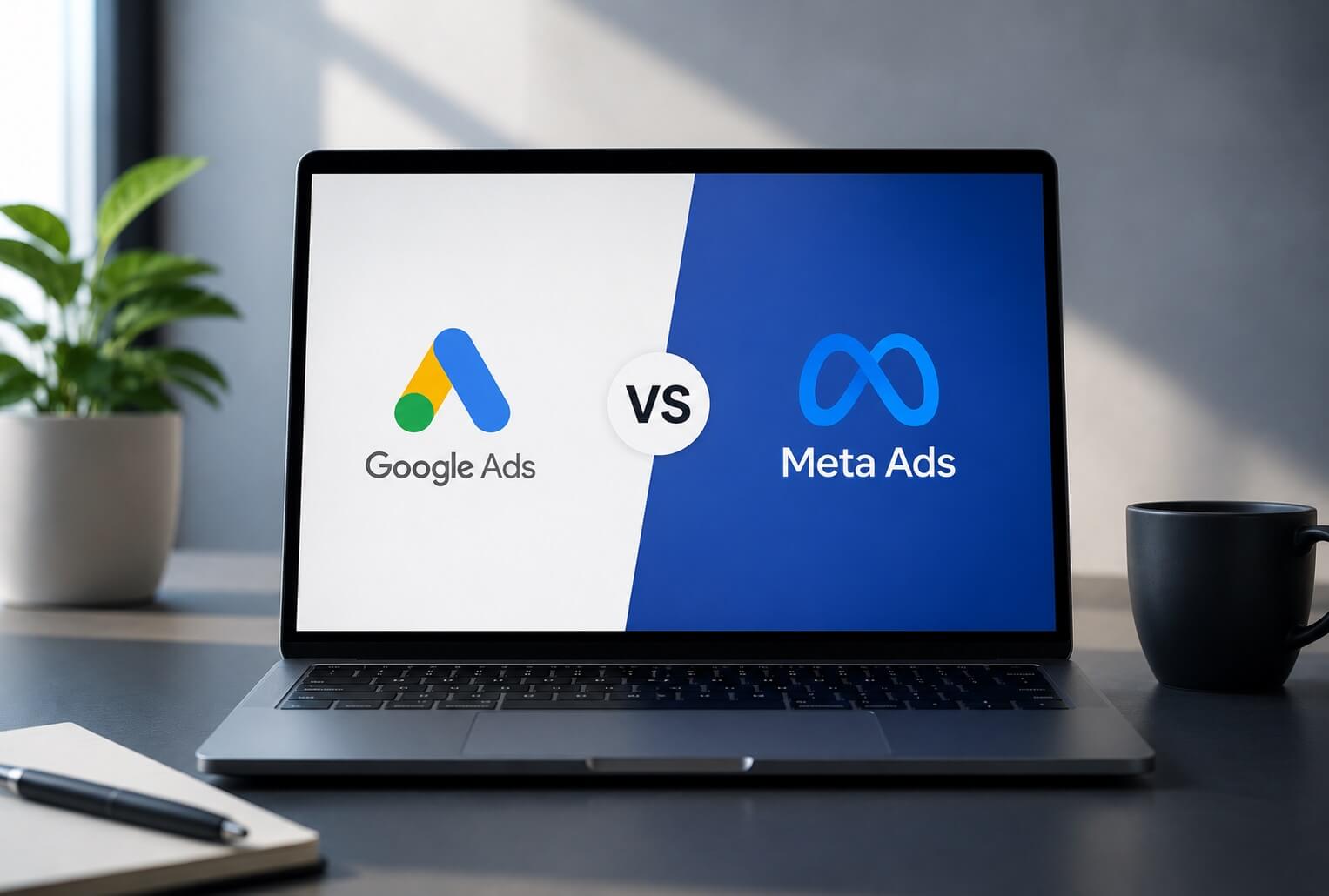
In today's competitive digital landscape, businesses have more opportunities than ever to reach potential customers through Digital Advertising. Among the most widely used platforms are Google Ads and Meta Ads, both of which offer unique advantages for businesses seeking Lead Generation, brand awareness, and revenue growth.
Choosing between these two advertising platforms can be challenging, particularly for businesses with limited marketing budgets. Understanding how each platform works, their strengths, and their ideal use cases can help organizations develop more effective Digital Marketing strategies in 2026.
This guide explores the differences between Google Ads and Meta Ads, helping businesses determine which platform aligns best with their goals, target audience, and growth objectives.
What are Google Ads and Meta Ads?
Before comparing the platforms, it is important to understand their core functions.
Google Ads
Google Ads is a PPC Advertising platform that allows businesses to display ads across search results, websites, mobile apps, video content, and other digital properties. Google Advertising primarily targets users based on search intent, making it highly effective for reaching people actively looking for products, services, or information.
Meta Ads
Meta Ads are displayed across social media platforms and focus on audience interests, demographics, online behavior, and engagement patterns. Unlike search-based advertising, Meta Ads help businesses reach users who may not yet be actively searching but fit a specific target audience profile.
Both platforms play important roles in modern Online Advertising, but they serve different marketing objectives.
Google Ads vs Meta Ads for Businesses
When evaluating Google Ads vs Meta Ads for businesses, the most important consideration is user intent.
Google users are often actively searching for solutions, making them more likely to convert when their needs align with the advertised offering.
Meta users, on the other hand, are typically browsing social content, discovering new brands, and engaging with visual media. This makes Meta particularly effective for brand awareness and audience building.
Businesses focused on immediate demand generation may benefit from Google Advertising, while businesses looking to create demand and increase visibility may find Meta Ads highly effective.
Google Ads vs Facebook Ads Comparison
A common topic among marketers is the Google Ads vs Facebook Ads comparison.
Although both platforms support paid advertising campaigns, they operate differently.
Search-Based Advertising
Google Ads captures existing demand by targeting users who are already searching for relevant information.
Interest-Based Advertising
Meta Ads target users based on interests, behaviors, demographics, and engagement patterns, helping businesses reach potential customers earlier in the buying journey.
User Intent Differences
Google typically reaches users with high purchase intent, while Meta excels at introducing products and services to new audiences.
Understanding these differences can help businesses allocate marketing budgets more effectively.
Best Advertising Platform for Lead Generation
Determining the best advertising platform for lead generation depends largely on business goals and customer behavior.
When Google Ads Works Best
Google Ads often performs well for:
High-intent searches
Service-based businesses
Professional services
Local businesses
Time-sensitive offers
Since users are actively searching for solutions, lead quality is often strong.
When Meta Ads Works Best
Meta Ads are often effective for:
Brand awareness campaigns
Product discovery
Audience building
Visual storytelling
Customer engagement
Many businesses use Meta to introduce their offerings and then nurture prospects through additional marketing efforts.
Google Ads for Local Businesses
One of the strongest applications of Google Ads for local businesses is the ability to connect with customers searching within a specific geographic area.
Local campaigns can help businesses:
Increase local visibility
Generate inquiries
Drive website traffic
Improve lead quality
Reach nearby customers
For businesses targeting customers within a defined location, search-based advertising often provides highly relevant traffic.
Meta Ads for Ecommerce Businesses
Many online retailers benefit from Meta Ads for ecommerce businesses because of the platform's visual nature and advanced audience targeting capabilities.
Meta Ads allow ecommerce brands to:
Showcase products visually
Reach highly specific audiences
Retarget website visitors
Build brand recognition
Encourage repeat purchases
These capabilities make Meta a popular choice for businesses focused on online sales and customer acquisition.
Google Ads vs Meta Ads ROI Comparison
A common question among marketers involves the Google Ads vs Meta Ads ROI comparison.
The answer depends on several factors:
Industry
Some industries naturally perform better on search-based advertising, while others benefit more from social advertising.
Audience Behavior
Understanding where potential customers spend their time online is critical.
Campaign Objectives
Lead generation, sales, awareness, and engagement campaigns often require different advertising approaches.
Budget Allocation
Proper budget management significantly influences advertising performance and return on investment.
Rather than viewing the platforms as competitors, many businesses achieve the best results by integrating both into their overall marketing strategy.
How to Choose Between Google Ads and Meta Ads
Understanding how to choose between Google Ads and Meta Ads starts with identifying your business objectives.
Choose Google Ads If:
You want immediate lead generation
Customers actively search for your services
You operate in a competitive search market
You focus on local customer acquisition
Choose Meta Ads If:
You want to build brand awareness
Visual content is central to your marketing
You want to reach new audiences
Audience engagement is a priority
Many businesses ultimately benefit from combining both platforms to support different stages of the customer journey.
Paid Advertising Strategies for Small Businesses
Effective paid advertising strategies for small businesses often begin with clear objectives and measurable goals.
Successful campaigns typically include:
Defined audience targeting
Consistent messaging
High-quality creative assets
Conversion-focused landing pages
Ongoing campaign optimization
Small businesses should focus on quality over quantity, prioritizing campaigns that deliver measurable business outcomes.
Google Ads and Meta Ads Marketing Guide
A practical Google Ads and Meta Ads marketing guide often involves leveraging each platform's strengths.
Use Google Ads For:
Search traffic
High-intent leads
Local marketing
Service promotion
Use Meta Ads For:
Brand awareness
Audience engagement
Product discovery
Retargeting campaigns
By combining these approaches, businesses can create a more comprehensive digital advertising strategy.
AI-Powered Advertising and Emerging Trends
The rise of AI-powered advertising is transforming how businesses manage campaigns in 2026.
Artificial intelligence is increasingly helping marketers:
Optimize campaigns automatically
Improve audience targeting
Predict user behavior
Personalize ad experiences
Improve conversion performance
As part of broader AI marketing automation trends, businesses are using technology to improve efficiency and campaign effectiveness.
Future of Digital Advertising
The future of digital advertising continues to evolve as technology, consumer behavior, and marketing platforms become more sophisticated.
Several emerging trends are shaping the industry:
AI-Driven Ad Targeting
Advanced algorithms are improving audience segmentation and campaign performance.
Performance Marketing Strategies
Businesses increasingly focus on measurable outcomes rather than vanity metrics.
Social Media Advertising Trends
Short-form video, personalized content, and interactive experiences continue to gain momentum.
Digital Advertising Trends
Automation, predictive analytics, and AI-powered optimization are becoming central to campaign success.
These developments are influencing paid media trends and the broader landscape of next generation digital marketing.
Conclusion
Both Google Ads and Meta Ads offer powerful opportunities for businesses seeking growth through Paid Advertising. The right platform depends on factors such as target audience, business objectives, budget, and customer behavior.
Businesses focused on high-intent searches and direct lead acquisition may benefit significantly from Google Advertising. Those seeking to build awareness, engage audiences, and create demand may find Meta Ads particularly effective. In many cases, combining both platforms creates a balanced strategy that supports every stage of the customer journey.
Ready to Maximize Your Advertising ROI?
Choosing between Google Ads and Meta Ads is only the first step. Success comes from developing the right strategy, targeting the right audience, creating compelling ad creatives, and continuously optimizing campaign performance. Partner with Blossom Web Studio to build data-driven Google Ads and Meta Ads campaigns that increase visibility, generate qualified leads, and drive measurable business growth.
Book Your Consultation Call Today!
FAQs
Which is better, Google Ads or Meta Ads?
Google Ads is ideal for capturing high-intent users, while Meta Ads excels at building brand awareness and audience engagement. The best choice depends on your business goals.
Are Google Ads more expensive than Meta Ads?
Google Ads often have higher cost-per-click due to search intent, while Meta Ads can provide broader reach at a lower cost for awareness campaigns.
Which platform generates more leads?
Google Ads typically generates higher-intent leads, while Meta Ads helps businesses attract and nurture potential customers earlier in the buying journey.
Should businesses use Google Ads and Meta Ads together?
Yes, combining both platforms can improve results by targeting customers at different stages of the sales funnel and maximizing overall marketing performance.