How to Do Local SEO for Multiple Locations?
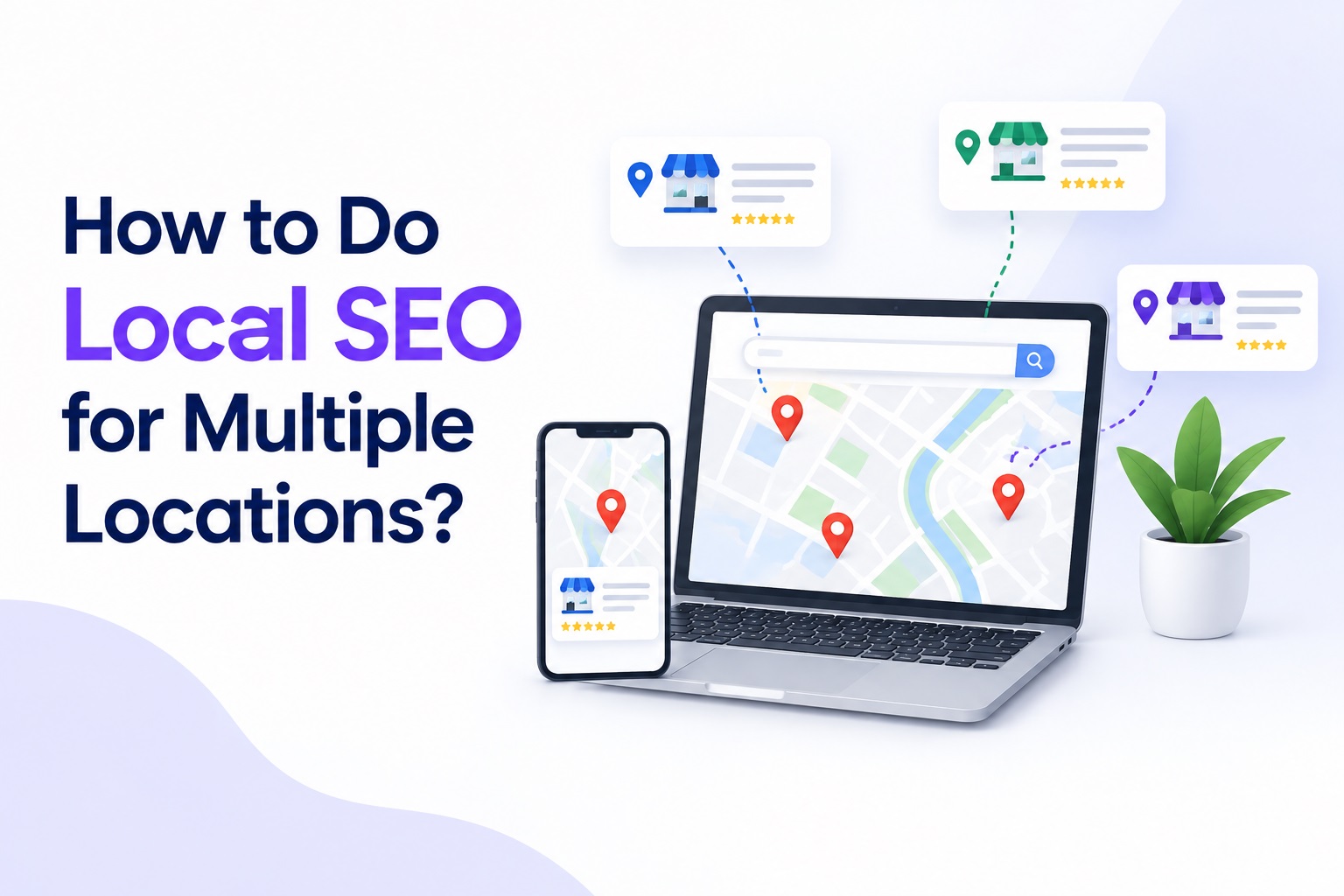
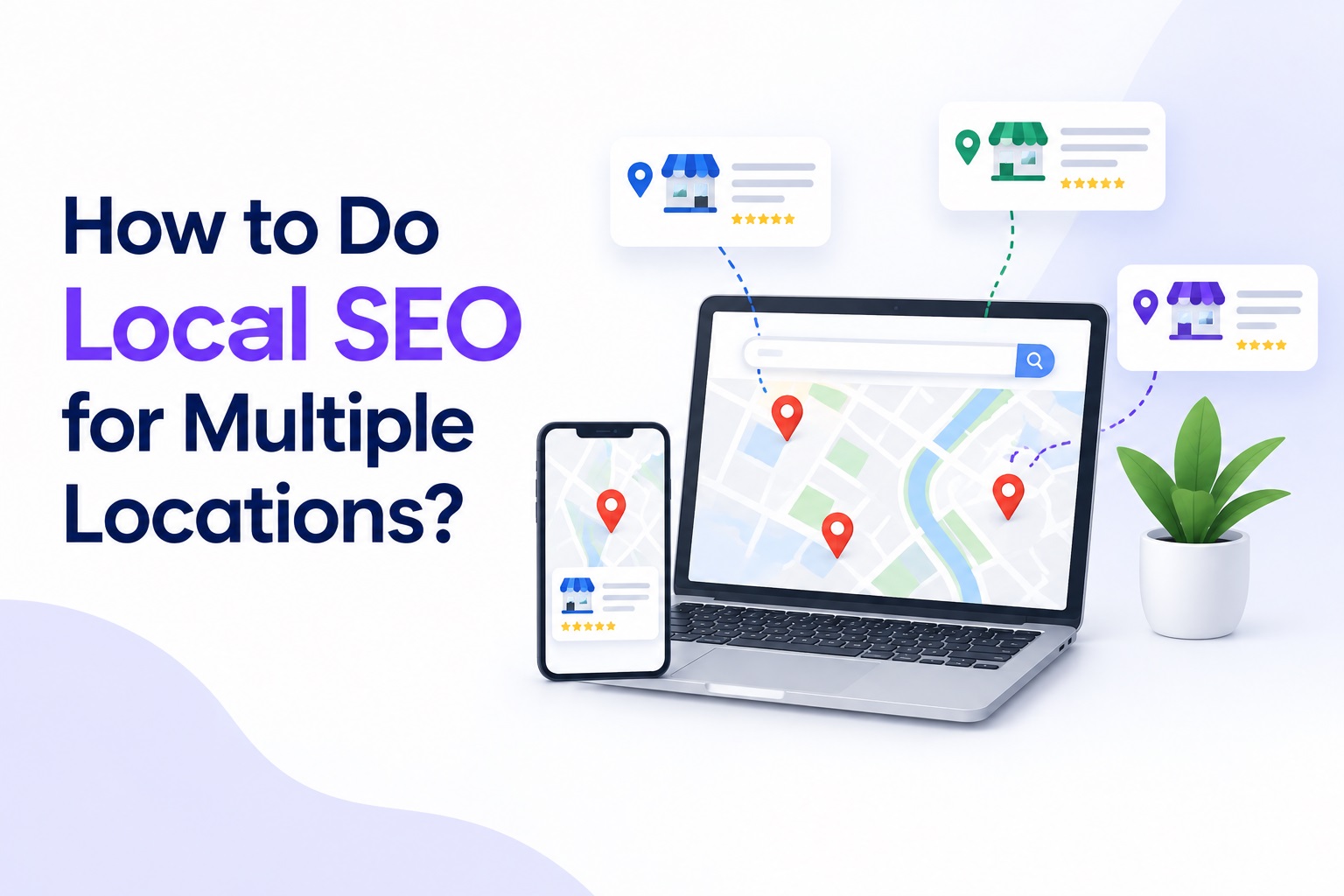
If your business serves customers in multiple cities, regions, or service areas, local SEO can become one of the most effective ways to attract customers who are actively searching for your services.
However, ranking a business in multiple locations requires more than simply adding city names to your website. Each location has its own competition, search behaviour, customer expectations, and local search signals.
A well-planned multi-location local SEO strategy can help your business appear in local search results, attract qualified visitors, generate enquiries, and build stronger visibility across different markets.
Whether you operate several physical branches or provide services across multiple areas, here is how you can approach local SEO for multiple locations.
1. Create Dedicated Location Pages
One of the most important steps in multi-location SEO is creating a dedicated page for each location you serve.
For example, if a digital agency provides services in London, Manchester, Leeds, Liverpool creating individual location pages allows each page to target relevant local searches.
Instead of having one generic page mentioning every city, create useful pages such as:
SEO Services in London
SEO Services in Manchester
SEO Services in Birmingham
SEO Services in Leeds
SEO Services in Liverpool
Each page should contain genuinely useful, location-specific information.
Avoid creating dozens of pages where only the city name changes. Search engines can recognise repetitive content, and customers are unlikely to find such pages useful.
2. Use Location-Specific Keywords Naturally
Keyword research is essential when targeting multiple locations.
Your keyword strategy should combine your main service with the location customers are searching for.
For example:
"SEO company in London"
"local SEO services in Liverpool"
"website design company in Leeds"
"ecommerce website design in Manchester"
You can also target longer and more specific searches based on customer intent.
The important thing is to use keywords naturally. Don't repeatedly insert a city name into every heading or paragraph simply to rank for it.
Good local SEO services focus on providing useful information first and optimising the page second.
3. Optimise Your Google Business Profiles
For businesses with physical locations, Google Business Profile is one of the most important local SEO assets.
Each eligible location should have an accurate and properly optimised profile.
Make sure your business information is consistent, including:
Business name
Address
Phone number
Website
Opening hours
Business category
Photos
Services
If your business has multiple legitimate locations, each location should have its own appropriate listing rather than trying to create multiple listings for the same physical address.
Regularly updating your profiles and responding to customer reviews can also help build trust with potential customers.
4. Keep Your Business Information Consistent
Search engines use information from different online sources to understand your business.
Your business name, address, phone number, and website information should therefore be consistent across important directories and platforms.
This is commonly referred to as NAP consistency — Name, Address, and Phone number.
Small differences across listings can create confusion, particularly for businesses with multiple branches.
Create a central record of your location information and use it whenever you create or update business listings.
5. Build Local Citations
Local citations are online mentions of your business, usually including information such as your business name, address, phone number, and website.
Relevant business directories, local websites, industry directories, and regional platforms can help strengthen your local presence.
However, don't focus on submitting your business to hundreds of low-quality directories.
Quality is more important than quantity.
Look for reputable platforms that are relevant to your industry and the locations you serve.
6. Create Location-Specific Content
A multi-location website shouldn't depend entirely on service pages.
Creating useful local content can help establish relevance and attract people searching for information in specific areas.
For example, a digital agency could publish content such as:
"How to Choose a Website Design Company in London"
"Local SEO Tips for Businesses in Manchester"
"Why Small Businesses in Leeds Need Professional SEO"
This type of content can target long-tail searches while giving potential customers useful information before they contact your business.
7. Get Reviews From Local Customers
Reviews are extremely important for local businesses.
Encourage genuine customers from different locations to leave honest reviews about their experience with your business.
Reviews can provide valuable local relevance while also helping potential customers feel more confident about contacting you.
Never create fake reviews or offer misleading incentives for positive feedback.
Instead, make it easy for genuine customers to share their experiences.
8. Build Local Backlinks
Backlinks remain an important part of SEO, and local backlinks can be particularly useful for businesses targeting multiple locations.
Look for legitimate opportunities to earn links from:
Local business organisations
Regional publications
Industry websites
Local blogs
Business directories
Community organisations
Relevant partners
For example, if your business operates in Manchester, earning a relevant link from a Manchester-based business publication can provide stronger local context than an unrelated website.
The objective should always be to earn useful, relevant links rather than purchasing large numbers of low-quality backlinks.
9. Optimise Your Website for Mobile Users
A large amount of local searching happens on mobile devices.
Someone searching for "SEO company near me", "logo design company near me", or "website designer in my area" may be ready to contact a business immediately.
Your website should therefore load quickly, work properly on smartphones, and make important information easy to find.
Your phone number, enquiry form, address, service information, and calls to action should be easily accessible.
A strong combination of SEO, website design, and user experience can turn local search traffic into actual enquiries.
10. Use Internal Linking Between Location Pages
Internal linking helps search engines understand the structure and relationships between your pages.
For example, your main services page could link to relevant location pages, while location pages can link back to the appropriate service pages.
This creates a logical website structure and helps visitors move between related services and locations.
Avoid creating complicated navigation with dozens of unnecessary links. Keep the structure simple and useful.
11. Add Local Business Schema
Structured data can help search engines better understand information about your business.
Depending on your business model and website structure, relevant schema markup may include information about your organisation, local business, services, locations, and other important details.
For businesses with multiple physical locations, accurate location information is particularly important.
Schema should be implemented correctly and should represent information that is actually visible and accurate on the website.
12. Track Each Location Separately
One of the biggest mistakes businesses make is treating all locations as one SEO campaign.
Track the performance of each location separately.
Monitor metrics such as:
Local keyword rankings
Organic traffic
Google Business Profile performance
Phone calls
Form enquiries
Direction requests
Reviews
Local backlinks
This helps you identify which locations are performing well and where additional optimisation is required.
Local SEO and Strong Branding Go Together
Local SEO may bring potential customers to your website, but your branding can influence whether they trust your business.
Your logo, website design, colours, typography, messaging, and overall presentation should create a consistent brand experience.
For businesses investing in their online presence, professional branding and SEO can work together to create a stronger digital identity.
For example, Blossom Web Studio provides services related to website design, branding, SEO, and professional logo design. A strong visual identity can help businesses look more credible when customers discover them through local search.
If you are searching for a best logo design company, the logo should not simply look attractive. It should fit your website, marketing materials, social media presence, and wider brand identity.
Professional logo design company Blossom Web Studio solutions can help businesses create a consistent visual identity alongside their digital marketing strategy.
Similarly, businesses looking for great logo design services from Blossom Web Studio can combine professional branding with SEO-focused website development to create a stronger overall online presence.
Common Multi-Location SEO Mistakes to Avoid
When implementing local SEO across multiple locations, avoid creating hundreds of nearly identical pages, using fake business addresses, duplicating Google Business Profiles, stuffing location keywords, buying low-quality backlinks, or publishing thin local content.
Another common mistake is ignoring locations that are not performing well.
SEO requires continuous improvement. Analyse your data, understand local customer behaviour, update your content, and improve pages based on actual performance.
Final Thoughts
Doing local SEO for multiple locations requires a structured strategy rather than simply adding city names to your website.
Create useful location pages, optimise eligible Google Business Profiles, maintain consistent business information, build relevant local citations and backlinks, publish location-specific content, collect genuine reviews, and continuously track performance.
Most importantly, remember that every location represents a real audience with different needs and expectations.
When local SEO services, professional website design, and strong branding work together, businesses can build a more credible online presence and generate better-quality local leads.
Whether you operate in two cities or across multiple regions, a carefully planned multi-location SEO strategy can help your business become more visible to customers who are actively searching for the products and services you provide.