Signs Your Website Is Losing Customers (And How to Fix It)

Signs Your Website Is Losing Customers (And How to Fix It)

September 14, 20267 min read

Signs Your Website Is Losing Customers (And How to Fix It)

Your website is often the first place potential customers interact with your business. Before they call you, visit your office, request a quote, or make a purchase, there is a good chance they will look at your website first.

But having a website is not enough.

If your website is slow, difficult to navigate, outdated, confusing, or poorly designed, visitors may leave before they ever become customers. In many cases, businesses do not realize their website is losing potential sales because the problem is not always obvious.

The good news is that most website problems can be identified and fixed with the right approach to website design, development, content, and user experience.

Here are some of the most common signs that your website could be costing you customers—and what you can do about them.

1. Visitors Leave Within Seconds

One of the clearest signs that something is wrong with your website is a high number of visitors leaving shortly after arriving.

People make quick decisions online. If your homepage looks confusing, takes too long to load, contains too much information, or does not immediately explain what your business does, visitors may simply move on to another website.

Your homepage should quickly communicate three things:

What you offer, who you help, and what the visitor should do next.

A clear headline, concise supporting content, professional visuals, and a noticeable call-to-action can make a significant difference.

If your website is attracting visitors but very few are engaging with your pages, it may be time to review your website design and user experience.

2. Your Website Looks Outdated

Design trends change, but the bigger issue with an outdated website is that it can affect how people perceive your business.

An old-fashioned layout, inconsistent fonts, low-quality images, crowded pages, outdated information, or poor visual spacing can make a company appear less professional—even if the actual products or services are excellent.

Modern professional website design focuses on simplicity, clarity, consistency, and usability.

Your website does not need complicated animations or excessive visual effects. Instead, it should have a clean structure that makes it easy for visitors to understand your business and find the information they need.

If your website looks like it has not been updated in years, a website redesign could be a worthwhile investment.

3. Your Website Is Difficult to Use on Mobile

A website that looks great on a desktop but performs poorly on a smartphone can lose a significant number of potential customers.

Visitors should not have to zoom in, scroll sideways, struggle to click buttons, or search around the screen to find important information.

This is why responsive website design is essential.

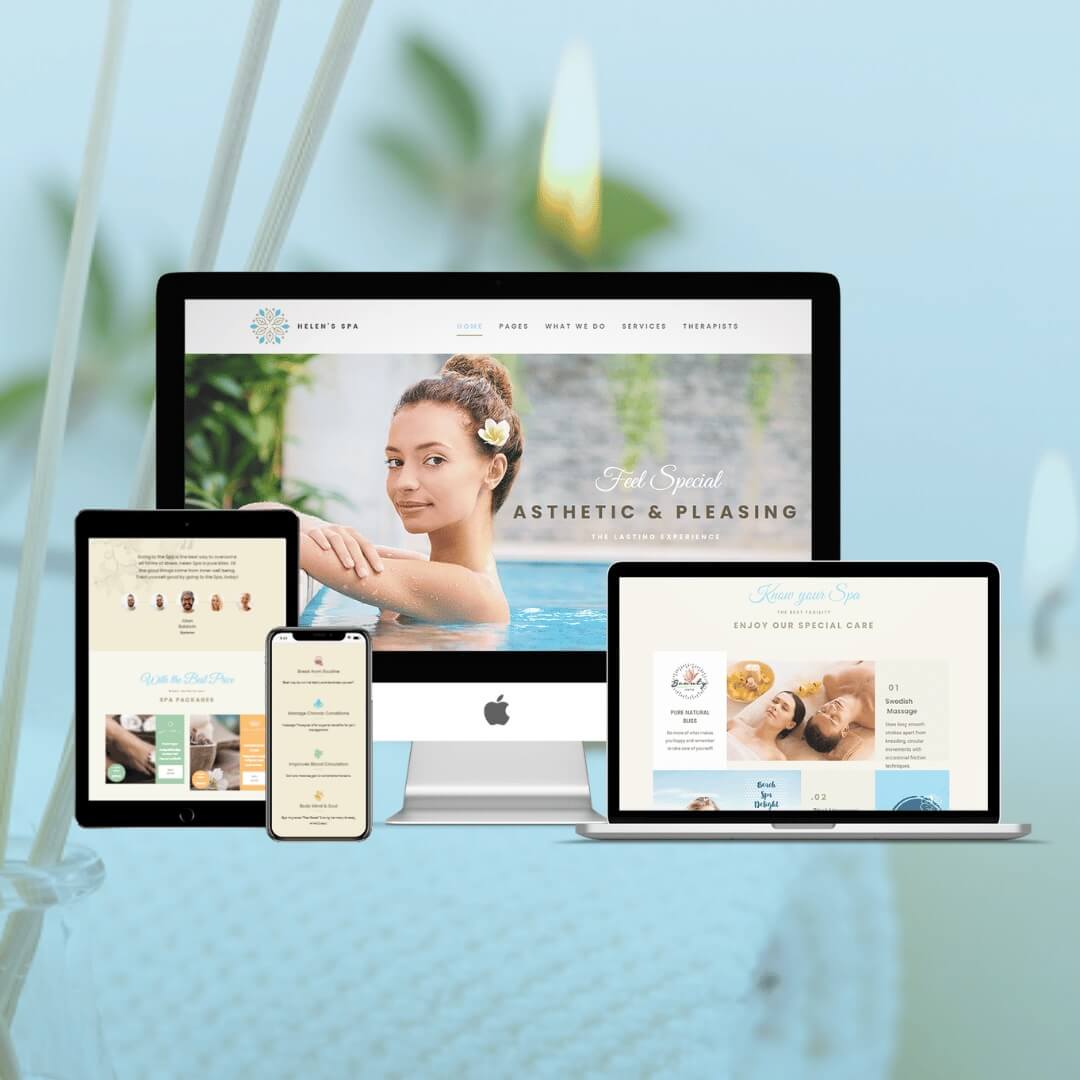
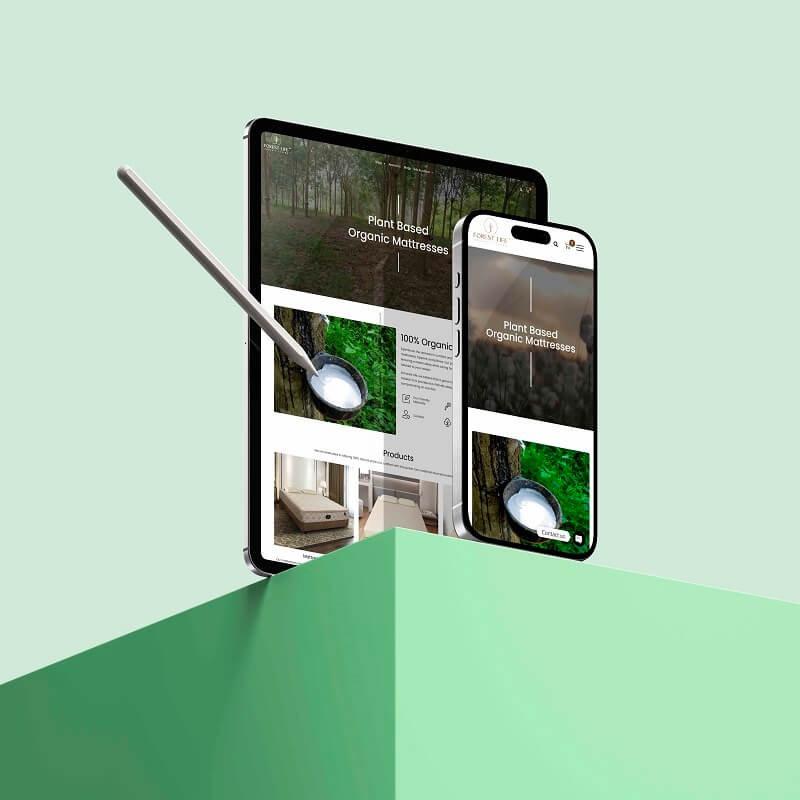
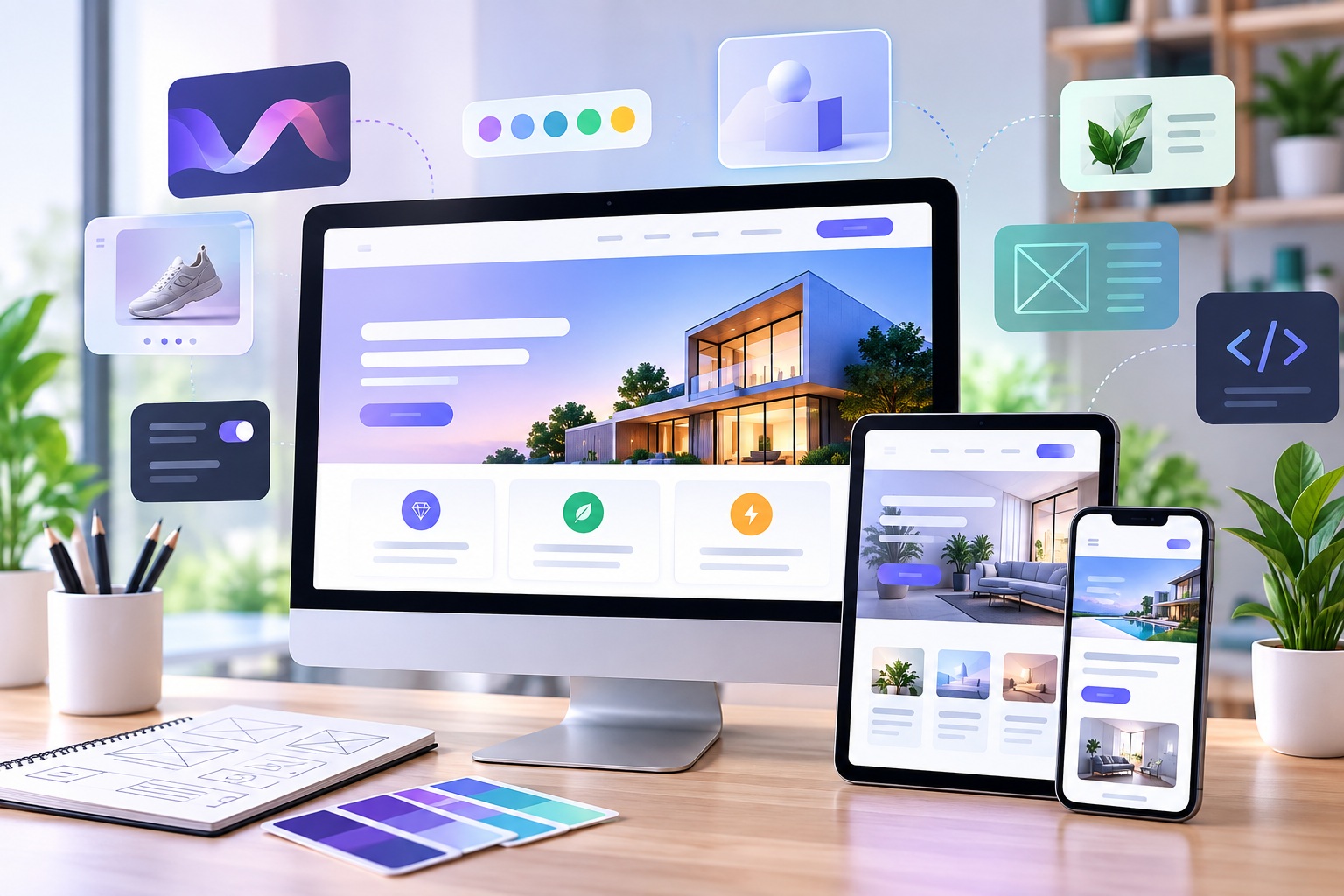
A responsive website automatically adapts its layout to different screen sizes, including smartphones, tablets, laptops, and desktop computers.

Mobile-friendly design should include readable text, appropriately sized buttons, simple navigation, optimized images, and forms that are easy to complete on smaller screens.

If customers are increasingly discovering your business through mobile devices, your website needs to provide a smooth experience from the first click.

4. Your Website Loads Too Slowly

People do not like waiting for websites to load.

Large images, unnecessary scripts, outdated plugins, poor hosting, excessive animations, and unoptimized code can all contribute to slow performance.

A beautiful website does not help your business if visitors leave before the page finishes loading.

Improving website performance can involve compressing images, optimizing code, reducing unnecessary plugins, improving hosting, implementing caching, and reviewing technical issues affecting page speed.

A professional website development and optimization process should consider performance from the beginning rather than treating it as an afterthought.

5. Visitors Cannot Find What They Need

Imagine someone visits your website looking for pricing, services, contact information, or product details—but cannot find them.

They are unlikely to spend several minutes searching.

Poor navigation is one of the easiest ways to lose potential customers.

Your main menu should be straightforward and organized around the information visitors actually need. Important pages should be easy to access without forcing users through multiple unnecessary steps.

For example, depending on your business, your navigation may include pages such as Home, About, Services, Products, Projects, Blog, and Contact.

The goal is simple: make it easy for visitors to move from interest to action.

6. Your Website Does Not Have Clear Calls to Action

A visitor may like your website and be interested in your services, but what happens next?

If the answer is unclear, you could be losing leads.

Every important page should guide visitors toward an appropriate next step. This could be requesting a quote, booking a consultation, calling your business, sending an enquiry, purchasing a product, or submitting a contact form.

Calls to action should be visible without becoming overwhelming.

Instead of placing several competing buttons on every section, focus on one clear action that matches the visitor's intent.

Effective conversion-focused website design turns a website from an online brochure into a useful business tool.

7. Your Content Is Confusing or Too Generic

Great website design cannot completely solve unclear messaging.

If visitors cannot understand what you offer or why they should choose your business, they may leave regardless of how attractive your website looks.

Your content should explain your services in straightforward language and focus on the problems you solve for customers.

Avoid filling pages with generic statements that could describe almost any company.

Instead, explain what makes your business different, who you serve, what you provide, and what customers can expect.

Strong website content combined with professional design creates a much more convincing online presence.

8. Your Contact Process Is Complicated

A potential customer should not have to work hard to contact you.

If your phone number is difficult to find, your contact form contains too many fields, your email address is hidden, or there is no obvious way to request information, visitors may simply give up.

Make contacting your business easy.

Include clear contact options throughout the website where appropriate. Depending on your audience, this could include phone, email, enquiry forms, booking options, or messaging platforms.

A simple contact experience can remove unnecessary friction from the customer journey.

9. Your Website Does Not Build Trust

Customers want to know that they are dealing with a legitimate and reliable business.

Your website should help establish trust through professional design, clear information, genuine customer reviews, testimonials, case studies, project examples, certifications where relevant, and transparent contact details.

Trust is particularly important for businesses selling professional services because potential customers often compare several providers before making a decision.

A consistent brand identity and polished professional website design can help create a stronger first impression.

10. Your Website Is Not Generating Enough Leads or Sales

Ultimately, the most important question is whether your website is helping your business achieve its goals.

You may have thousands of visitors, but if very few people contact you, make purchases, book appointments, or request information, something in the customer journey may not be working.

This is where conversion optimization becomes important.

Review your analytics, traffic sources, popular pages, exit pages, contact form submissions, and conversion rates. Look for areas where visitors are losing interest or encountering unnecessary obstacles.

Sometimes a small change to a headline, button, form, page layout, or offer can improve results. Other times, the website may require a complete redesign.

How Professional Website Design Services Can Help?

If your website shows several of these warning signs, it may be time to work with a professional team.

The best website design services do more than create attractive pages. A good website design company considers your business objectives, target audience, brand identity, content, user experience, mobile responsiveness, performance, search visibility, and conversion goals.

A professional website should be designed around your customers—not simply around what the business wants to display.

Whether you need a new website, an ecommerce website, a website redesign, or improvements to an existing site, the right approach can turn your website into a stronger marketing and sales channel.

Give Your Website a Chance to Convert More Visitors

Your website should make it easier—not harder—for customers to choose your business.

Slow loading times, outdated design, poor mobile performance, confusing navigation, weak messaging, and complicated contact processes can quietly drive potential customers away.

The solution starts by identifying where visitors are experiencing problems and then improving the website around their needs.

A modern, responsive, fast, professional, and conversion-focused website can strengthen your online presence and give customers greater confidence in your business.

If your website is not delivering the results you expect, it may not be your business that needs to change—it may be your website.

Investing in professional website design services can help create a website that looks better, performs better, builds trust, and turns more visitors into real customers.

Back to Blog

Let's build something extraordinary together.

Twenty minutes, no obligation. You'll leave knowing what your site needs, whether you hire us or not.