
How War Impacts Small Business Marketing (And What to Do About It)
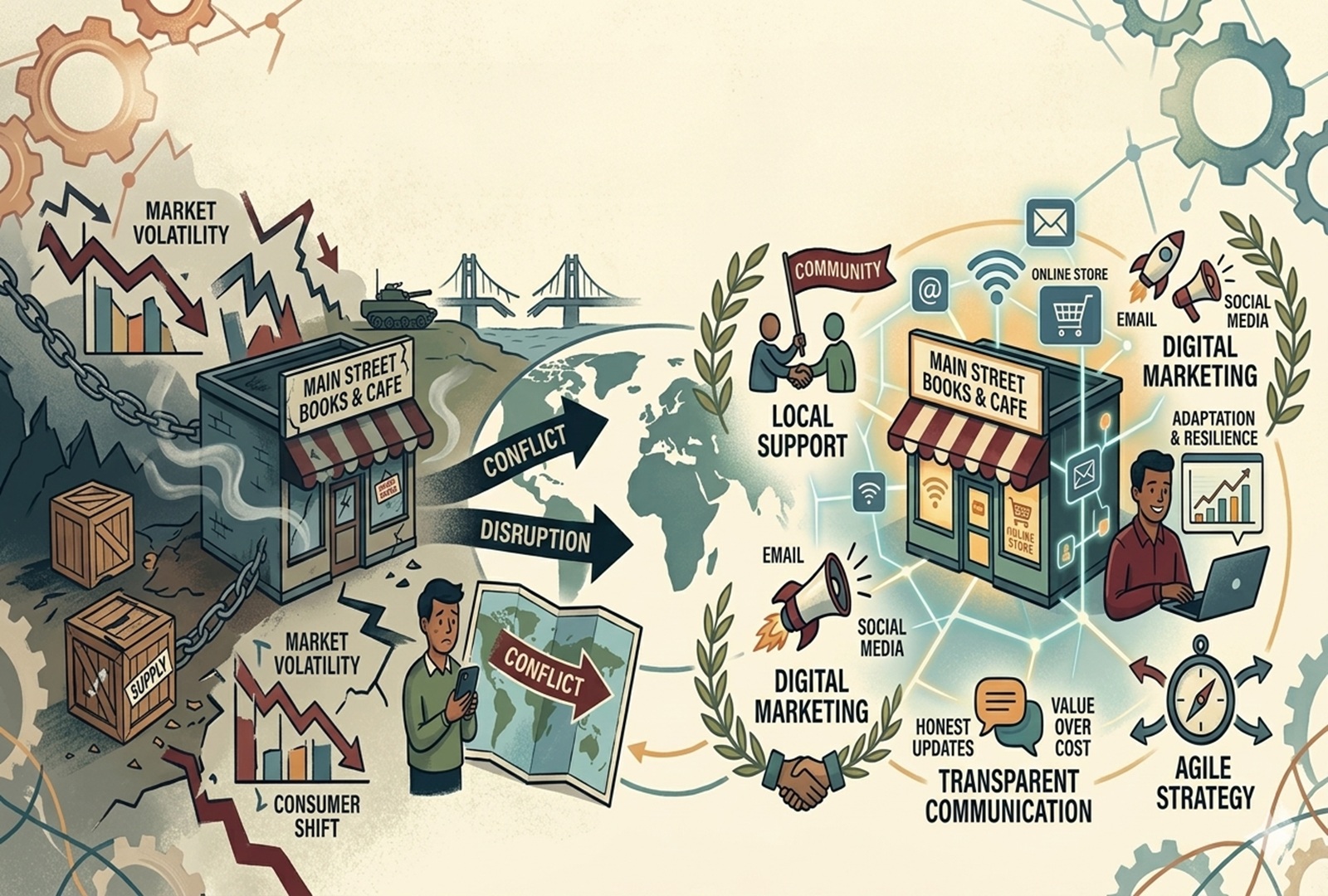
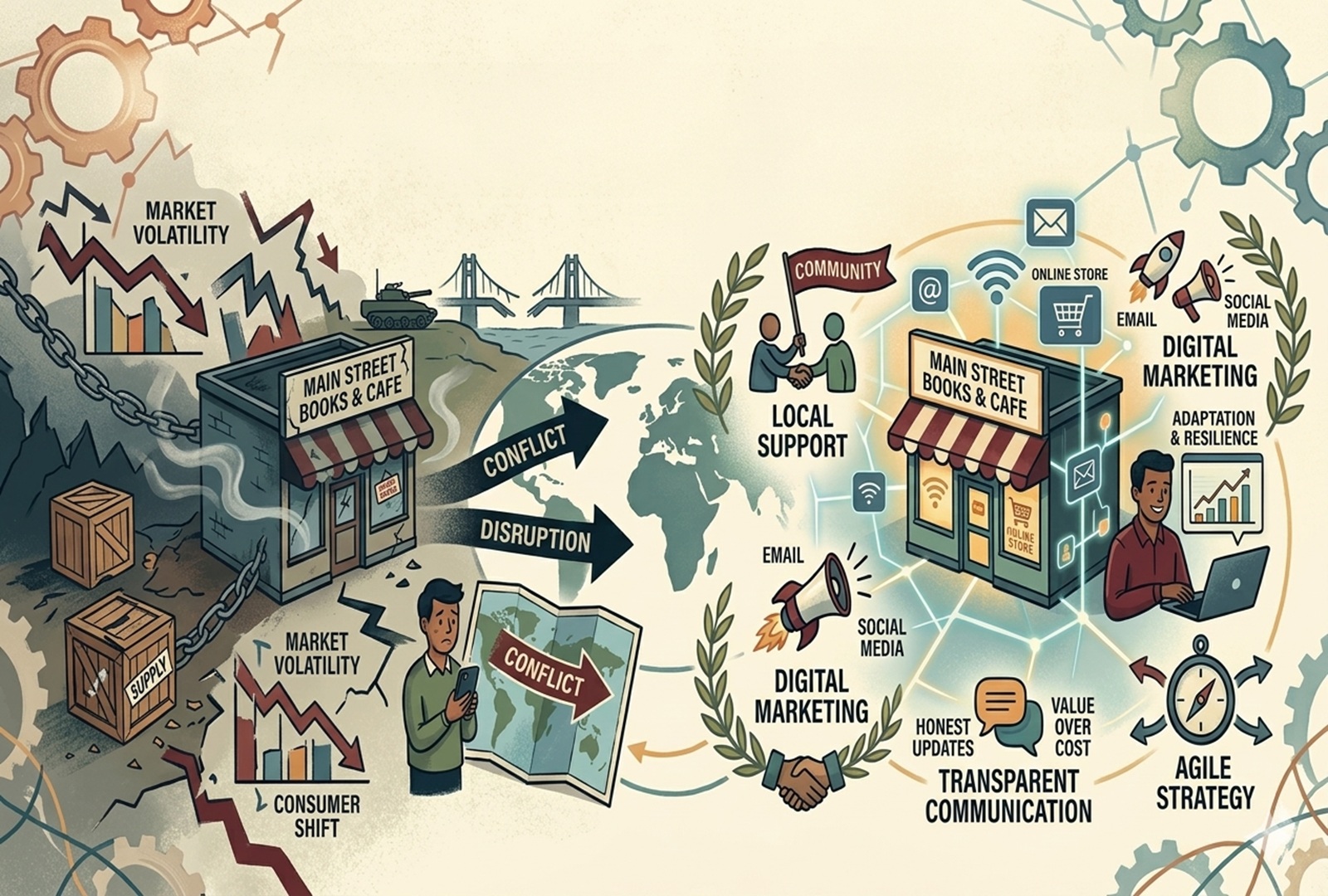
The war impact on small business marketing is significant, often creating uncertainty in consumer behavior, supply chains, and advertising performance. Understanding how war affects marketing strategies is essential for businesses aiming to remain stable and competitive during challenging periods.
In times of disruption, small business marketing during war requires adaptability, efficiency, and a focus on long-term resilience rather than short-term gains.
How War Impacts Small Business Marketing Strategies
The impact of global conflict on marketing can be seen across multiple areas:
Reduced consumer spending due to economic uncertainty
Increased advertising costs and fluctuating ROI
Disruptions in supply chains are affecting product availability
Shifts in customer priorities and purchasing behavior
These factors contribute to major business marketing challenges during war, forcing companies to rethink their approach. A well-planned marketing strategy in uncertain times becomes critical for survival.
What Should Small Businesses Do During a War Crisis?
A strong crisis marketing strategy for a small business focuses on stability, trust, and efficient resource allocation.
1. Reassess Your Marketing Budget
Understanding how to manage advertising budget during a crisis is essential. Focus on high-performing channels and eliminate unnecessary spend. This aligns with the idea: stop wasting ad spend during a crisis — do this instead.
2. Prioritize Customer Communication
A clear customer communication strategy during war situations helps maintain trust. Transparent messaging reassures customers and builds long-term loyalty.
3. Focus on Digital Channels
Digital marketing strategies during war for small businesses offer flexibility and measurable results. Businesses can quickly adapt campaigns based on performance and changing market conditions.
Step-by-Step Marketing Strategy During Uncertain Times
To navigate marketing during an economic crisis and war, businesses should adopt a structured approach:
Analyze Market Changes
Evaluate customer behavior and identify shifts in demand. This helps in understanding how to adjust marketing during global conflict.
Optimize Online Presence
Invest in website performance, SEO, and user experience. A strong digital presence supports small business survival during war.
Leverage Automation
Implement marketing automation strategies during a crisis for small businesses to maintain consistent engagement without increasing workload.
Track and Adapt
Continuously monitor results and refine campaigns. This ensures your marketing strategy in uncertain times remains effective.
Low-Budget Marketing Strategies During Economic Uncertainty
During crisis periods, cost efficiency is key. Low-budget marketing strategies during economic uncertainty include:
Email campaigns for customer retention
Referral and loyalty programs
These methods help businesses sustain visibility while controlling costs and protecting business revenue during war.
How to Maintain Customer Trust During War or Crisis
Trust becomes a decisive factor in small business marketing during war. Businesses should:
Communicate honestly and consistently
Deliver reliable customer support
Align messaging with customer concerns
This approach strengthens relationships and supports how to keep leads and sales flowing during uncertain times.
Why Traditional Marketing Fails During War
One of the key marketing lessons from global conflict is that rigid strategies often fail. Changing conditions demand flexibility.
This reflects the shift toward:
Data-driven decisions
Agile campaign execution
Customer-focused messaging
These are part of the new rules of marketing during global instability.
How to Build Resilient Marketing Systems During War
To ensure long-term success, businesses must focus on how to build resilient marketing systems during war. This includes:
Diversifying marketing channels
Strengthening digital infrastructure
Creating adaptable marketing frameworks
Such systems help businesses remain operational even in unpredictable environments and support how to future-proof your business during uncertain times.
Conclusion:
The war impact on small business marketing presents challenges, but also opportunities for businesses willing to adapt. By refining strategies, focusing on efficiency, and maintaining strong customer relationships, companies can navigate uncertainty effectively.
Understanding how to adapt marketing during a crisis is no longer optional—it is essential for sustained growth and stability.
Partner with Blossom Web Studio to build resilient marketing systems, strengthen your digital presence, and drive consistent growth—even in uncertain times.
Frequently Asked Questions (FAQs)
1. Should I stop all marketing activities during a time of global conflict?
No, stopping entirely can be counterproductive. Marketing is what keeps your business present in your customers' minds and protects your revenue from drying up. Instead of stopping, shift your focus to consistency and helpfulness. Presence is everything when customers are making cautious spending decisions; a simple social media check-in or helpful tip can maintain loyalty without requiring a large budget.
2. How should my marketing message change during a crisis?
Your messaging should shift from high-pressure selling to empathy, transparency, and support. Be honest about how the situation is affecting your business, such as supply chain delays or price increases. A single transparent message about why costs have risen builds far more trust than generic promotions. Focus on projecting calm and being a "balm" for your customers' anxiety.
3. Why do digital channels become more important during wartime?
Digital channels like email, social media, and WhatsApp offer direct, low-cost ways to maintain relationships. During times of conflict, consumers often spend more time online looking for updates and community. These platforms allow you to provide real-time information about your operations and stay connected with your audience without the high costs of traditional advertising.
4. Is it ethical to run ads during a period of war?
It is ethical as long as your ads are tactful and avoid exploiting military symbols or human suffering for commercial gain. In fact, advertising often becomes cheaper during a crisis because many businesses pull back, lowering auction prices. This presents an opportunity to reach a wider audience for less money, provided your content is helpful, kind, and sensitive to the current emotional climate.