
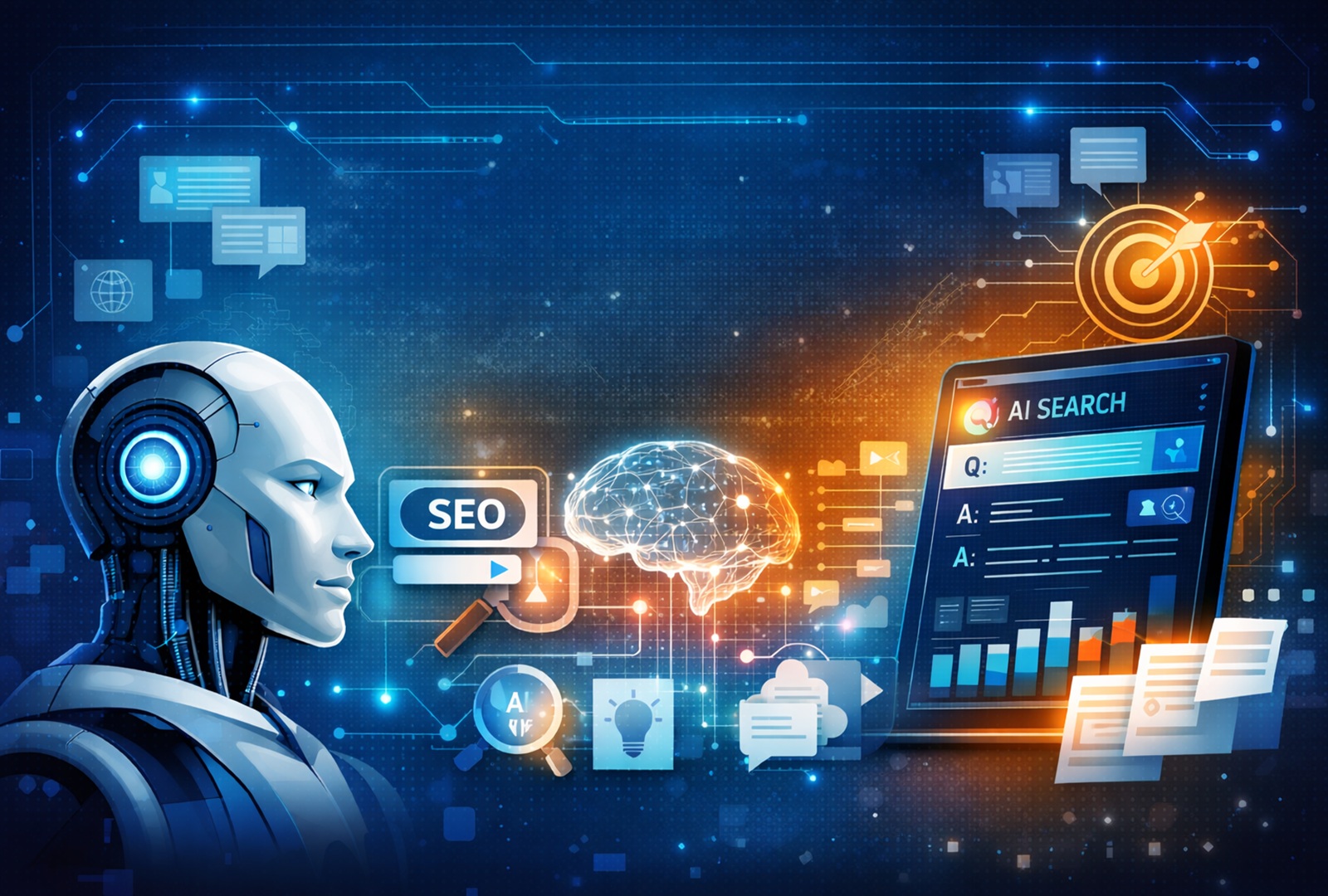
What Is Generative Engine Optimization (GEO) and Why It Matters in 2026
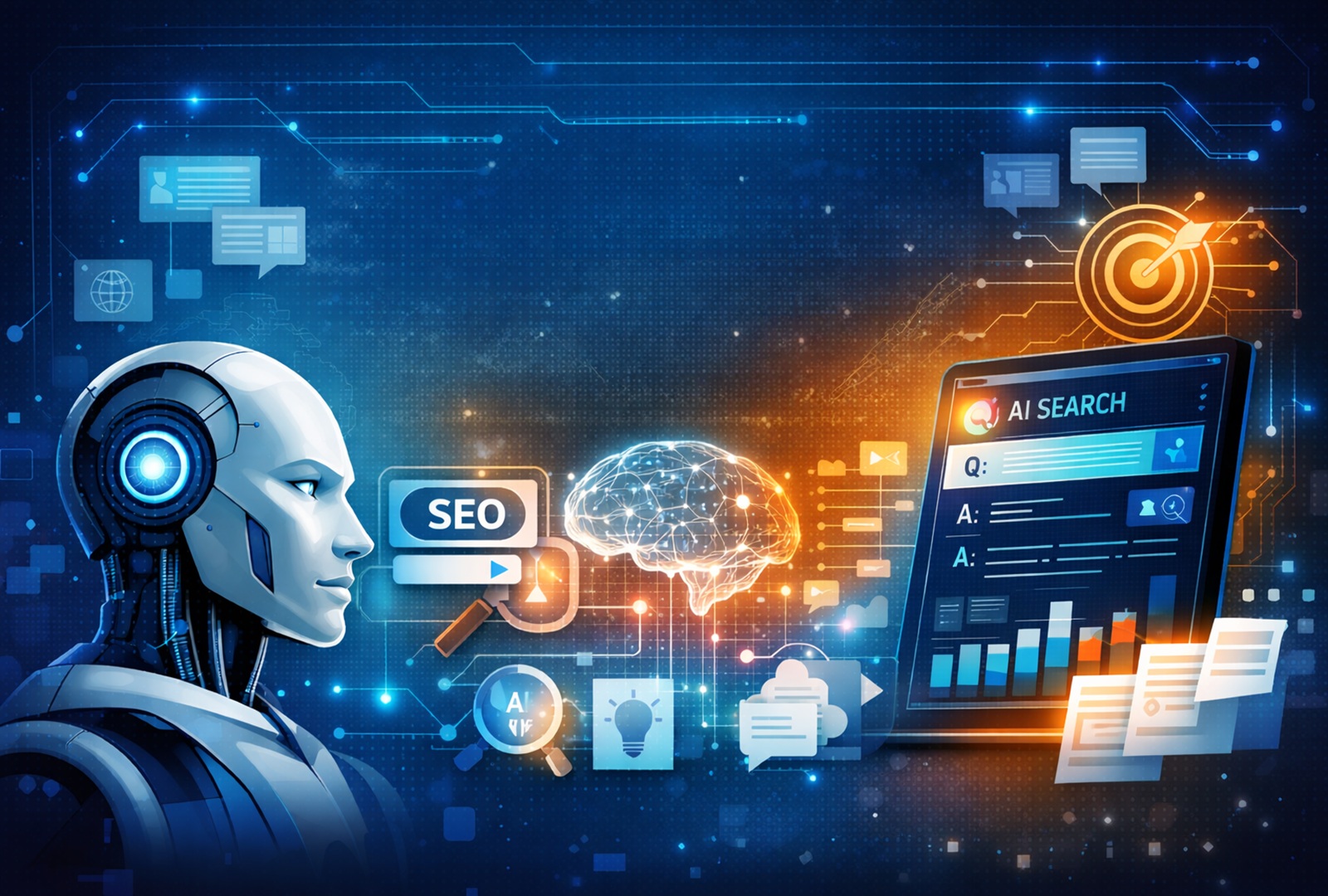
Search behavior is evolving rapidly as artificial intelligence becomes a central part of how people find information online. Instead of relying solely on traditional search engines, users now interact with AI-powered systems that generate answers directly from large data sources. This shift has created a new digital marketing approach known as Generative Engine Optimization (GEO).
In 2026, businesses must adapt their content strategies to ensure visibility within AI-driven search experiences. GEO focuses on optimizing digital content so it can be discovered, interpreted, and referenced by generative AI systems. As more users rely on AI tools to ask questions and receive direct answers, AI Search Optimization is becoming a key component of modern digital marketing.
Understanding Generative Engine Optimization (GEO)
Generative Engine Optimization refers to the process of structuring and optimizing content so that AI-powered search systems can understand, summarize, and present it as part of generated responses. Unlike traditional SEO, which focuses primarily on ranking in search engine result pages, GEO ensures that content is recognized by AI models when they generate answers to user queries.
This approach combines elements of AI Search Engine Optimization, Semantic Search Optimization, and structured content strategies. AI systems analyze context, meaning, and relevance rather than relying only on keywords. As a result, websites must provide clear, well-organized, and informative content that AI models can easily interpret.
Businesses that implement GEO strategies improve their chances of appearing within AI-generated summaries, recommendations, and conversational search responses.
The Role of LLM Optimization and AI Content Optimization
Large language models (LLMs) are the foundation of modern AI search tools. Because these systems rely on contextual understanding, LLM Optimization has become essential for digital content.
Effective AI Content Optimization involves creating content that is:
Informative and well-structured
Organized with clear headings and logical sections
Written in natural language that answers user questions
Supported by contextual keywords and semantic relevance
Content that follows these principles is more likely to be selected by AI systems when generating responses to search queries.
For businesses, this means content must go beyond simple keyword usage. It should focus on expertise, clarity, and relevance so that AI systems can accurately interpret and reference the information.
The Rise of ChatGPT SEO and Conversational Search Optimization
Modern search experiences increasingly resemble conversations. Users ask questions in natural language and expect detailed answers rather than lists of links. This trend has led to the emergence of ChatGPT SEO and Conversational Search Optimization.
Instead of targeting only short search phrases, businesses must now create content that answers complex questions and provides meaningful explanations. Content that mirrors how people naturally ask questions has a higher chance of being included in AI-generated responses.
At the same time, Answer Engine Optimization (AEO) is becoming an important part of digital strategy. AEO focuses on structuring content so that it directly answers user questions in a clear and concise format.
When combined with AI Discovery Optimization, these strategies help ensure that content remains visible across both traditional search engines and AI-powered platforms.
AI-Driven Search Marketing and the Future of SEO
The growing influence of AI is transforming the broader field of digital marketing. AI-Driven Search Marketing now requires businesses to optimize for both search engines and generative AI systems. This means balancing traditional SEO techniques with GEO-focused strategies.
An experienced SEO Agency can help businesses adapt their content strategy to meet these new requirements. This includes creating structured content, improving semantic relevance, and aligning digital assets with modern search behavior.
By combining AI Search Optimization, Semantic Search Optimization, and LLM Optimization, businesses can build a stronger online presence in an AI-powered search environment.
Conclusion
Generative Engine Optimization represents the next stage in the evolution of search marketing. As AI-driven systems continue to shape how users discover information, businesses must adapt their content strategies to remain visible in both traditional and AI-generated search results.
By focusing on AI Content Optimization, Answer Engine Optimization, and Conversational Search Optimization, organizations can improve how their content is interpreted by AI systems and presented to users.
If your business is preparing for the future of search, working with a professional SEO Agency can help develop a strategy that aligns with AI Search Engine Optimization and modern AI-Driven Search Marketing practices.
Contact Blossom Web Studio to learn how Generative Engine Optimization can strengthen your digital visibility and prepare your website for the future of AI search.
Frequently Asked Questions (FAQs)
1. What is Generative Engine Optimization (GEO)?
Generative Engine Optimization (GEO) is the process of optimizing website content so that AI-powered engines—such as ChatGPT, Google Gemini, and Perplexity—select, cite, and reference your brand when generating direct answers to user queries. Unlike traditional SEO, which focuses on ranking in a list of links, GEO focuses on becoming a cited source within the AI's synthesized response.
2. How does GEO differ from traditional SEO?
While traditional SEO is keyword-based and aims to rank your webpage as high as possible on search engine results pages (SERPs), GEO is intent-based and conversational. SEO measures success through clicks and rankings, whereas GEO measures success through AI citations, mentions, and "share of model" visibility within AI-generated conversations.
3. Why is GEO essential for businesses in 2026?
By 2026, user behavior has shifted significantly toward AI-first discovery. Consumers now expect instant, summarized answers rather than a list of websites to browse. If your content is not optimized for GEO, your business risks becoming "invisible" to the millions of users who rely on AI conversational interfaces to make purchasing decisions.
4. What are the key strategies to improve GEO visibility?
To improve GEO visibility, you should focus on content clarity, authority, and structure. Key tactics include providing direct answers in the first paragraph, using structured data (Schema markup), citing authoritative sources, including specific statistics, and ensuring your content is factually dense and easy for AI models to extract and summarize.